Understanding cultural perceptions of gambling A deeper look into societal attitudes
The Historical Context of Gambling
Gambling has been a part of human civilization for centuries, tracing back to ancient societies where games of chance were often tied to religious and cultural practices. In many cultures, gambling was seen not just as a pastime but as a means of divination or fortune-telling. This historical context plays a significant role in how various societies perceive gambling today, shaping attitudes that range from acceptance to outright prohibition. For those interested in the excitement of gaming, there are platforms available where you can engage in online poker and other forms of entertainment.
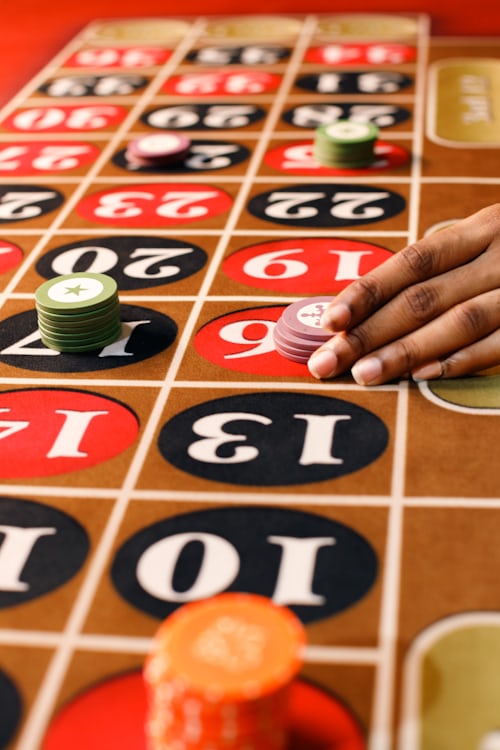
The evolution of gambling has mirrored societal changes, with different cultures developing unique perspectives based on their beliefs, values, and historical experiences. For example, in some Asian cultures, gambling is celebrated during festivals, while in others, it is stigmatized. Understanding this historical backdrop provides insight into contemporary societal attitudes towards gambling.
Cultural Differences in Gambling Attitudes
Different cultures exhibit varying attitudes towards gambling, influenced by factors such as religion, tradition, and social norms. In some Western nations, gambling is often viewed as a form of entertainment, supported by legal frameworks that promote responsible gaming. Conversely, in many Middle Eastern countries, gambling is illegal, reflecting strict religious beliefs that prohibit such activities.
The acceptance or rejection of gambling within a culture can also stem from socio-economic factors. In cultures where gambling is linked to poverty or crime, negative perceptions can dominate, fueling stigma and fear. Understanding these cultural differences is crucial for addressing misconceptions and fostering a more nuanced discussion about gambling.
The Myths Surrounding Gambling
Numerous myths surround gambling, contributing to societal misconceptions. One prevalent myth is the idea that certain strategies can guarantee winnings, leading individuals to develop unrealistic expectations. These misconceptions can not only harm individuals financially but also perpetuate negative stereotypes about gambling as an irresponsible activity.
Debunking these myths is essential for fostering informed discussions about gambling. Education and awareness can help individuals recognize the inherent risks involved and differentiate between recreational play and problematic gambling behavior. By addressing these myths, society can cultivate a more realistic understanding of gambling.
The Role of Media in Shaping Perceptions
The media plays a pivotal role in shaping societal attitudes toward gambling. Movies, television shows, and advertisements often portray gambling in a glamorized manner, emphasizing the thrill and excitement while downplaying the potential consequences. This portrayal can create skewed perceptions, enticing individuals into viewing gambling as a pathway to wealth and success.
Additionally, the rise of online gambling has introduced new dynamics in how gambling is consumed and perceived. The accessibility of online casinos and betting platforms can blur the lines between casual play and addiction. Media representation can either challenge or reinforce these behaviors, making it vital for responsible messaging to be prioritized.

Ensuring a Safe and Informed Gambling Environment
As society navigates the complexities of gambling perceptions, creating a safe and informed environment becomes paramount. Many platforms prioritize user security and provide educational resources to promote responsible gambling. By employing advanced security measures, these platforms aim to protect users from potential risks associated with gambling.
Open dialogues about gambling’s cultural implications are essential for addressing stigma and promoting healthier attitudes. Engaging with diverse perspectives helps create a balanced understanding, ensuring that individuals can enjoy gambling responsibly while recognizing its potential impact on society. It is crucial to continue fostering a safe space for discussions about gambling and its varied perceptions.

